
Ladle Refractory Bricks & Lining Solutions
STA Commerce supports international enquiries for MgO-C (magnesia-carbon) bricks and related refractory products used in steel ladle working and safety linings. Documented applications include slag lines, metal zones, impact areas, bottoms and monolithic installation zones. Technical requirements are confirmed with relevant refractory suppliers.
Refractory Protection for Steel Ladle Service
A steel ladle lining must withstand molten-steel contact, aggressive slag, thermal cycling, impact during filling and mechanical wear throughout repeated heats.
Magnesia-carbon bricks are particularly suitable for slag-line applications. The supplied information lists MgO-C grades with 97% MgO and fixed-carbon levels from approximately 5% to 14%. For the bottom impact area, alumina-magnesia-carbon bricks are recommended in the source material.
Advantages of the Ladle Refractory System
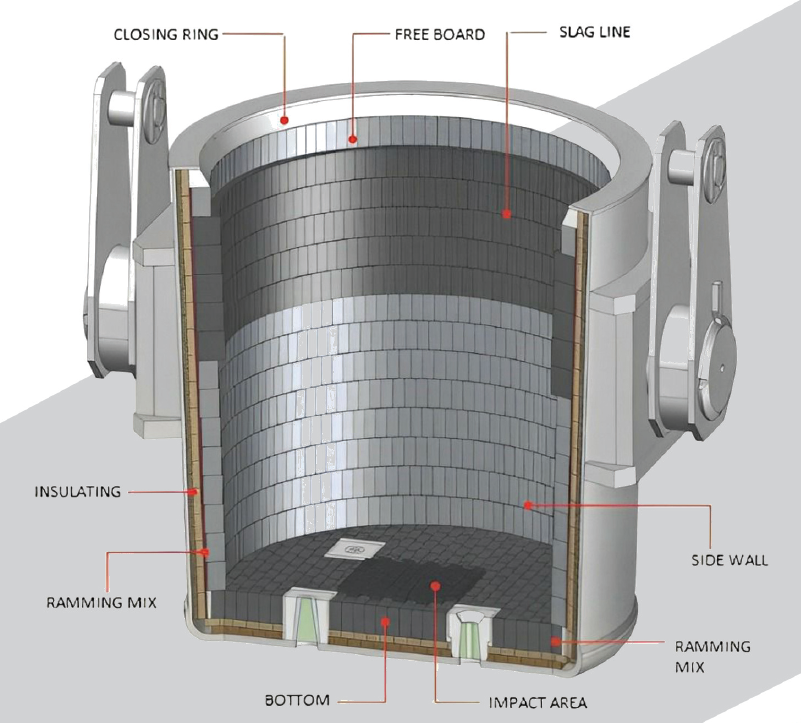
Main Areas of the Steel Ladle Lining
Each ladle area experiences a different combination of slag attack, metal contact, impact, heat loss and structural loading.
Refractory Products for Ladle Working & Safety Linings
The supplied pages identify five principal product groups for working linings, impact zones, safety linings and monolithic installation.
Magnesia-Carbon Refractories
MgO-C bricks for ladle working linings, especially slag-line and other basic high-wear zones.
Alumina-Magnesia-Carbon Bricks
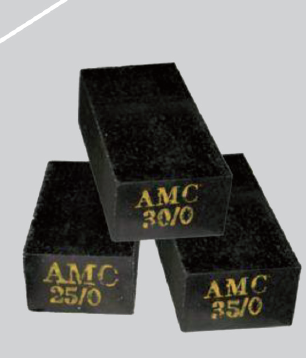
AMC bricks for the metal zone, impact pad and bottom areas requiring resistance to impact and thermal cycling.
High-Alumina & Chrome-Magnesia Safety Bricks
Refractory bricks for permanent and safety lining behind the hot-face working lining.
High-Alumina Low-Cement Castables
Monolithic refractory castables for selected ladle installation, repair and transition areas.
Magnesia-Dolomite Refractories
Basic working-lining products based on magnesia and dolomite for compatible ladle operating conditions.
MgO-C and MgO-Doloma-Carbon Ladle Bricks
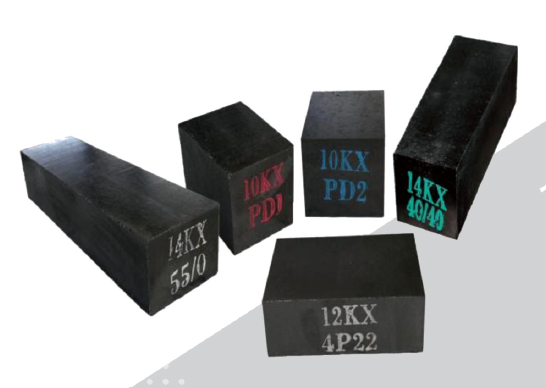
The listed magnesia-carbon grades contain 97% MgO with fixed-carbon levels from 5% to 14%. The supplied table also includes two magnesia-doloma-carbon grades containing 50% MgO and 48% CaO.
The final grade should be selected according to the slag line, sidewall, metal zone, bottom, impact exposure and the customer’s approved ladle-lining design.
MgO-C Brick Grades for Steel Ladles
The chemical-analysis and physical-property values below have been transcribed from the supplied product information.
| Trade Name | MgO | SiO₂ | CaO | Fixed Carbon | Bulk Density (g/cm³) |
Apparent Porosity (%) |
Cold Crushing Strength (kg/cm²) |
|---|---|---|---|---|---|---|---|
| MEHR.MAG.Carbon.5KX | 97 | 0.7 | 1.4 | Min. 5 | 2.95–3.05 | 4–6 | 400–600 |
| MEHR.MAG.Carbon.6KX | 97 | 0.7 | 1.4 | Min. 6 | 2.95–3.05 | 4–6 | 400–600 |
| MEHR.MAG.Carbon.7KX | 97 | 0.7 | 1.4 | Min. 7 | 2.95–3.05 | 4–6 | 350–550 |
| MEHR.MAG.Carbon.8KX | 97 | 0.7 | 1.4 | Min. 8 | 2.95–3.05 | 4–6 | 350–550 |
| MEHR.MAG.Carbon.10KX | 97 | 0.7 | 1.4 | 10 | 2.95–3.05 | 3–5 | 300–500 |
| MEHR.MAG.Carbon.12KX | 97 | 0.7 | 1.4 | 12 | 2.95–3.05 | 3–5 | 300–500 |
| MEHR.MAG.Carbon.14KX | 97 | 0.7 | 1.4 | 14 | 2.95–3.05 | 3–5 | 300–500 |
| MEHR.MAGDOL.Carbon.8 | 50 | 0.9 | 48 | 8 | 2.85–2.95 | 5–7 | 400–600 |
| MEHR.MAGDOL.Carbon.10 | 50 | 0.9 | 48 | 10 | 2.80–2.90 | 4–7 | 350–550 |
Information Needed for Technical Selection
Complete ladle, lining and operating information helps confirm the appropriate brick grade, geometry and monolithic refractory product.
Related Ladle Flow-Control Products
Complete ladle flow-control systems can also include ladle slide gate refractories and purging plugs and housing blocks.
Request a Steel Ladle Refractory Quotation
Send us the ladle capacity, lining drawings, application zones, current refractory grades, operating conditions, required quantity and destination country for technical and commercial review.