
Basic Refractory Masses, Mortars & Ramming Mixes for Steelmaking
STA Commerce supports international enquiries for magnesia-, magnesia-chrome- and doloma-based monolithic refractory materials used for repair, filling, gunning, mortaring, tundish installation and ramming in steelmaking equipment, coordinating technical requirements with relevant refractory suppliers.
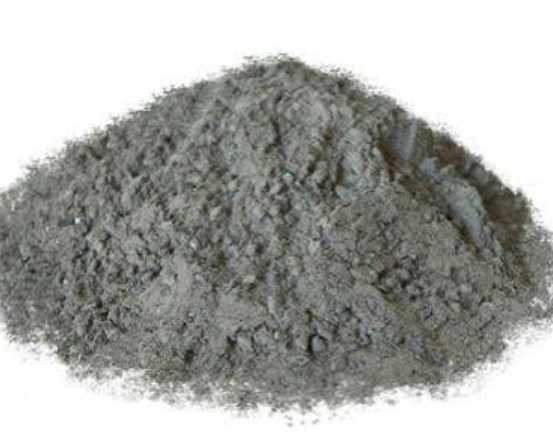
Unshaped Refractories for Installation and Repair
Refractory masses are unshaped materials installed directly at the application site. Depending on the product, they may be compacted, sprayed, poured, used as jointing mortar or applied for hot and cold repair.
Basic formulations based on magnesia, magnesia-chrome and doloma are selected according to temperature, chemical environment, installation method and required grain size.
Refractory Masses for Industrial Lining & Repair
The following product categories cover common repair, installation, filling and jointing requirements in steelmaking refractory systems.
Hot Repair Tap-Hole Mass
A refractory repair mass for restoring worn tap-hole and adjacent hot-service areas during maintenance.
Back-Fill Mass
A filling material for refractory backing spaces, voids and support zones behind installed linings.
Gunning Mass
A graded refractory mix suitable for pneumatic spray application in lining and repair operations.
Magnesia Mortar
Basic refractory mortar for jointing and bonding compatible magnesia and magnesia-chrome bricks.
Tundish Cold-Setting Mass
A cold-setting monolithic refractory for tundish-related installation, filling and localized repair applications.
Magnesia Ramming Mass
A basic refractory mix compacted to form dense lining sections in selected high-temperature steelmaking zones.
Magnesia-Doloma Cold Ramming Mass
A cold-installed basic ramming mix combining magnesia and doloma for compatible alkaline service conditions.
Doloma Hot Repair Ramming Mass
A doloma-based ramming material intended for hot repair of worn basic refractory lining areas.
Chemical Analysis and Physical Properties
The following values have been transcribed from the supplied product information. Chemical values are shown as listed.
| Trade Name | MgO | SiO₂ | CaO | Al₂O₃ | Fe₂O₃ | Cr₂O₃ | Max. Service Temperature | Grain Size |
|---|---|---|---|---|---|---|---|---|
| MEHR.MIX.95M | Min. 93 | 2 | 1.5 | – | 1.5 | – | 1800°C | 0–2 & 0–3 mm |
| MEHR.FILL.95M | 93–95 | 2 | 2 | 0.5 | 0.5 | – | 1700°C | 0–5 mm |
| MEHR.GUN.85M | Min. 85 | 5–7 | 3 | – | – | – | 1700°C | 0–2 & 0–3 mm |
| MEHR.MOR.65MC | Min. 58 | 3 | 1.5 | – | 5 | 17 | 1700°C | 0–0.2 mm |
| MEHR.MOR.90 | 90 | 5 | 2 | – | 2 | – | 1700°C | 0–0.2 mm |
| MEHR.TUN.85 | Min. 85 | 5–7 | 3 | – | – | – | 1700°C | 0–2 & 0–3 mm |
| MEHR.RAM.95C | Min. 94 | 1.7 | 1.7 | 0.3 | 1.5 | – | 1750°C | 0–5 & 0–6 mm |
| MEHR.HEART | 70 | 2 | 27 | – | 0.3 | – | 1800°C | 0–5 mm |
| MEHR.FRIT-H | 38 | 1.5 | 56 | – | 1.5 | – | 1800°C | 0–5 mm |
Selection Based on Process and Installation Conditions
Material Chemistry
Magnesia, magnesia-chrome and doloma formulations should be matched to the existing lining and process chemistry.
Installation Method
Grain size, consistency and bonding system should be selected for gunning, ramming, filling, mortaring or hot repair.
Service Conditions
Temperature, abrasion, slag contact, atmosphere and thermal cycling determine the suitable product grade.
Information Needed for Technical Review
Providing complete operating and installation information helps identify the appropriate refractory mass and grade. Confirm final product data and availability with the relevant refractory supplier.
Related Refractory Applications
Browse our refractory products hub, or see BOF MgO-C refractories for converter repair applications and tundish flow-control refractories for continuous-casting systems.
Request a Refractory Mass or Ramming Mix Quotation
Send us the application, operating conditions, installation method, required grade, grain size, quantity and destination country for technical and commercial review.